Automating device authentication smartly enhances security and user access. Techniques such as biometric solutions offer unique traits for authentication, making unauthorized access difficult. Machine learning analyzes user behavior to detect anomalies, improving accuracy in real-time. Implementing multi-factor authentication adds extra layers of security, reducing identity theft risks. Additionally, automation simplifies login processes, leading to a seamless user experience. Exploring these innovative methods can provide deeper insights into securing device authentication effectively.
Key Takeaways
- Implement machine learning algorithms to analyze user behavior and detect anomalies for proactive security measures. Utilize biometric solutions to provide secure and convenient authentication without the need for complex passwords. Employ multi-factor authentication to enhance security by requiring multiple verification methods for device access. Automate the authentication process to streamline user experience and reduce friction during login. Continuously monitor and adapt authentication methods based on user activity and risk levels for improved security.
Understanding Device Authentication
Device authentication serves as a critical component in securing networked systems.
It guarantees that devices attempting to connect to a network are legitimate and authorized. This process typically involves verifying the identity of a device through various methods, such as passwords, digital certificates, or biometric data.
By establishing a secure connection, device authentication helps prevent unauthorized access and potential security breaches. The importance of this mechanism has grown with the increasing number of devices connected to the Internet of Things (IoT).

Organizations must implement robust authentication protocols to safeguard sensitive information and maintain system integrity. As cyber threats evolve, understanding and enhancing device authentication remains essential for protecting digital ecosystems.
The Role of Machine Learning in Authentication
As the landscape of device authentication continues to evolve, machine learning technologies are increasingly being integrated to enhance security measures.
These advanced algorithms analyze patterns in user behavior, enabling systems to identify anomalies that may indicate unauthorized access. By continuously learning from data, machine learning models improve their accuracy over time, adapting to new threats and reducing false positives.
Additionally, they can process vast amounts of information at unprecedented speeds, allowing for real-time authentication decisions. This proactive approach not only strengthens security but also streamlines the user experience by minimizing friction during the login process.
Ultimately, the application of machine learning in authentication represents a significant advancement in safeguarding sensitive information against evolving cyber threats.
Biometric Solutions for Enhanced Security
How can biometric solutions transform the landscape of security?
By leveraging unique physiological traits, such as fingerprints, facial recognition, and iris patterns, biometric solutions offer a robust alternative to traditional authentication methods. These technologies enhance security by ensuring that only authorized users gain access to sensitive information and devices.
Biometric systems are difficult to replicate or forge, thereby reducing the risks associated with password theft and identity fraud. In addition, the convenience of biometric authentication streamlines user experiences, eliminating the need for complex passwords while maintaining high security standards.
As organizations increasingly adopt biometric solutions, they can greatly mitigate potential vulnerabilities, fostering a more secure environment for data protection and user privacy.
The future of security may indeed hinge on these advanced technologies.
Implementing Multi-Factor Authentication
Implementing multi-factor authentication (MFA) considerably enhances security by requiring multiple forms of verification before granting access.
Organizations can benefit from reduced risks of unauthorized access and data breaches through effective MFA practices.
Best practices for implementation will guarantee that the process is both user-friendly and secure, maximizing the overall effectiveness of the authentication strategy.
Benefits of Multi-Factor Authentication
While many organizations recognize the importance of securing their digital environments, the benefits of multi-factor authentication (MFA) extend beyond mere compliance.
MFA greatly enhances security by requiring multiple verification methods, making unauthorized access remarkably more difficult. This layered approach not only protects sensitive data but also helps mitigate the risk of identity theft and fraud.
In addition, organizations that implement MFA often experience reduced incident response times, as potential breaches are detected and thwarted more effectively.
Additionally, MFA can improve user confidence, as individuals feel more secure knowing that their accounts are better protected.
Best Practices for Implementation
Establishing multi-factor authentication (MFA) can greatly enhance an organization's security posture, but its successful implementation requires careful planning and execution. Organizations should begin by evaluating their specific security needs and determining the most appropriate MFA methods, such as SMS, authenticator apps, or biometric options.
It is vital to integrate MFA seamlessly into existing workflows to minimize user friction. Training employees on the importance of MFA and how to use it effectively can also improve adoption rates.
Regularly reviewing and updating MFA protocols is important to adapt to evolving threats. Additionally, organizations should guarantee proper backup methods are in place for account recovery to prevent lockouts.
These best practices foster a robust and user-friendly authentication environment.
Streamlining User Experience With Automation
As organizations increasingly embrace automation, the potential to streamline user experiences becomes more evident. Automated device authentication simplifies the login process, reducing the friction often associated with traditional methods. By eliminating repetitive manual entries and complex password requirements, users can access systems swiftly and securely.
Furthermore, automation enhances security through continuous monitoring and adaptive authentication measures, which assess risk in real-time. This proactive approach not only protects sensitive data but also fosters user trust and satisfaction.
Additionally, organizations can customize automated processes to fit specific user needs, ensuring a personalized experience.
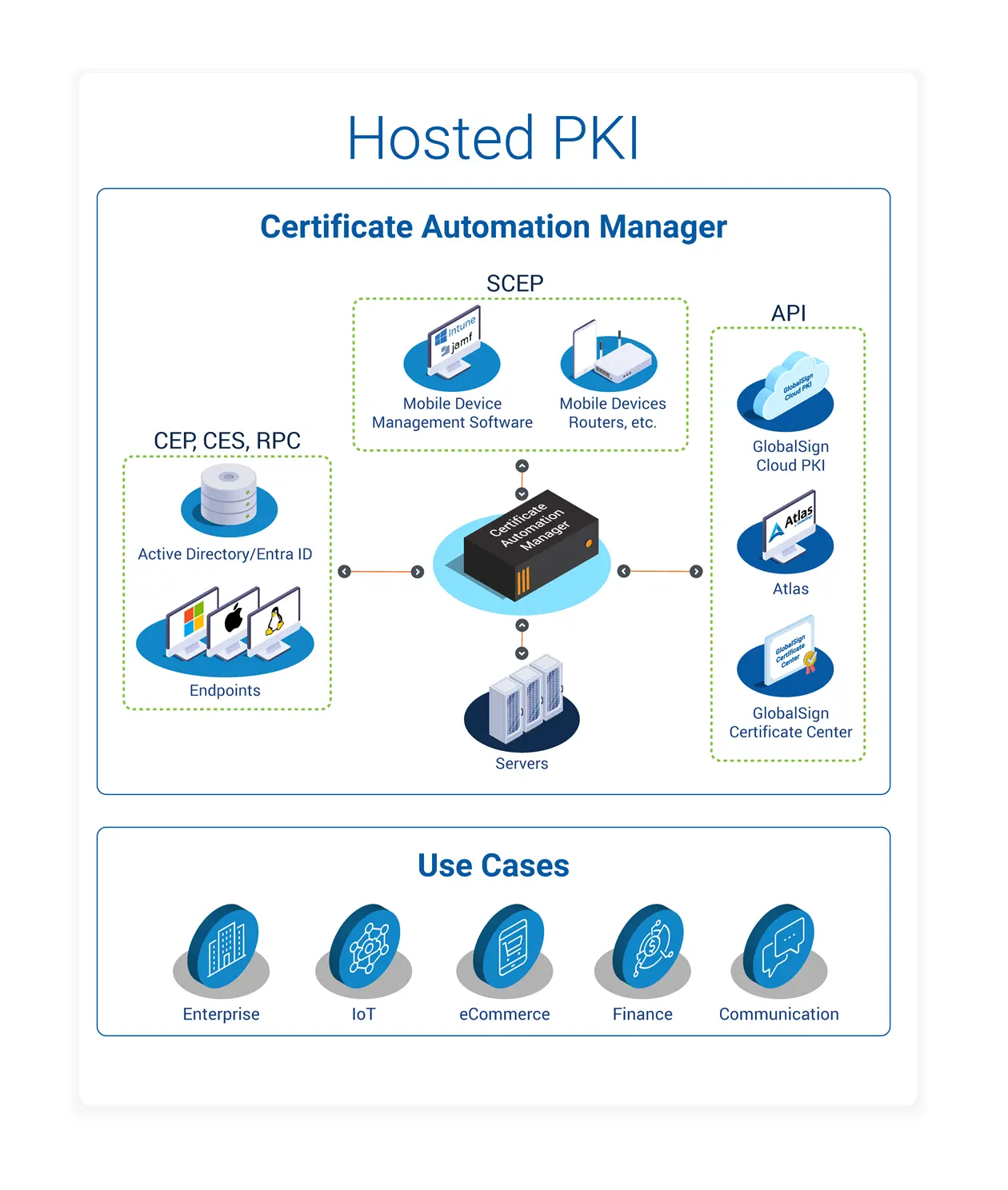
Ultimately, leveraging automation in device authentication leads to increased efficiency and a seamless interaction between users and technology, paving the way for higher productivity and engagement.
Future Trends in Device Authentication
The evolution of device authentication is poised to embrace innovative trends that enhance security and user convenience. One notable trend is the integration of biometric authentication, such as facial recognition and fingerprint scanning, which offers a seamless user experience.
Additionally, the rise of artificial intelligence (AI) is expected to improve anomaly detection, allowing systems to identify unauthorized access attempts more effectively.
Multi-factor authentication (MFA) is also gaining traction, with organizations adopting more sophisticated methods that combine various authentication factors.
Moreover, the use of decentralized identity solutions will empower users with greater control over their personal data.
As these trends unfold, the focus will remain on balancing robust security measures with user-friendly processes, ensuring a secure digital landscape.
FAQ
What Devices Support Automated Authentication Methods?
The inquiry into which devices support automated authentication methods reveals a diverse range of technology.
Many modern smartphones, tablets, and laptops are equipped with biometric sensors, such as fingerprint readers and facial recognition capabilities.
Additionally, smart home devices, wearables, and some IoT gadgets increasingly incorporate automated authentication features.
These innovations enhance security and user convenience, allowing seamless access while maintaining protection against unauthorized use across various platforms and environments.
How Do I Troubleshoot Authentication Failures?
When troubleshooting authentication failures, one must examine the situation closely, as if peeling back the layers of an onion.
First, they should check network connectivity and ascertain the device is connected properly.
Next, verifying user credentials can help identify errors.
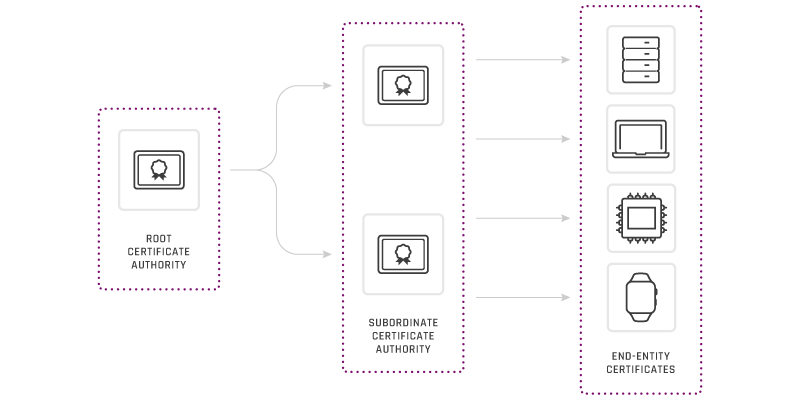
Additionally, reviewing system logs may reveal underlying issues.
Finally, updating the device’s software or resetting it to factory settings could resolve persistent problems, allowing the user to regain access.
Can Automation Reduce Security Risks?
The question of whether automation can reduce security risks prompts a multifaceted examination.
Automation has the potential to enhance security by streamlining processes, minimizing human error, and enabling quicker responses to threats. However, it also introduces new vulnerabilities if not properly managed.
Effective automation requires robust oversight and continuous monitoring to guarantee that systems remain secure.
Consequently, while automation can reduce certain risks, it also necessitates vigilance to mitigate emerging threats.
Is User Consent Required for Automated Authentication?
The question of whether user consent is required for automated authentication is essential in the area of privacy https://aquipress.com/top-rated-pki-management-platform-unveiled/ and security.
Generally, consent is necessary to guarantee that users are aware of and agree to the data collection and processing involved in such systems.
Regulations like GDPR emphasize the importance of obtaining explicit consent from users, highlighting that without it, automated authentication processes might face legal challenges and undermine user trust in the system.
What Are the Costs Associated With Implementing Automated Authentication?
The costs associated with implementing automated authentication can vary considerably based on several factors.
These include the technology chosen, the scale of implementation, and ongoing maintenance expenses. Initial investments may cover software, hardware, and integration services, while long-term costs could involve updates, security measures, and training for personnel.
Additionally, potential costs related to compliance with regulations and user support must also be considered, influencing the overall budget for such a system.
Conclusion
To sum up, the evolution of device authentication mirrors the increasing complexity of digital interactions. By integrating machine learning, biometric solutions, and multi-factor authentication, organizations can enhance security while streamlining user experiences. As technology advances, embracing these innovations will be essential for safeguarding sensitive information. Like a well-crafted lock that adapts to its key, the future of device authentication promises to be both secure and user-friendly, ensuring that protection and convenience go hand in hand.