Leveraging cloud technology can greatly enhance context-aware recommendations. By utilizing real-time analytics, scalable infrastructure, and diverse data sources, businesses can deliver personalized user experiences. Advanced algorithms and tools, such as natural language processing and collaborative filtering, further improve recommendation accuracy. These innovations not only adapt to user behaviors but also guarantee timely suggestions. Companies looking to optimize their strategies can explore the evolving landscape of recommendation systems for greater insights and potential advancements.
Key Takeaways
- Leverage cloud technology for scalable infrastructure to handle large datasets and enhance recommendation accuracy in real-time. Utilize advanced algorithms like collaborative filtering and deep learning to improve personalization across diverse user preferences. Implement natural language processing tools to analyze user sentiments and enhance the relevance of recommendations. Foster collaboration among developers and data scientists through cloud-based platforms to share tools and optimize recommendation engines. Address privacy concerns by ensuring transparency in data usage and compliance with regulatory standards, building user trust in recommendations.
Understanding Context-Aware Recommendations
How do context-aware recommendations enhance user experiences? They leverage various contextual factors, such as location, time, and user preferences, to deliver personalized suggestions.
This adaptability allows systems to offer relevant content that aligns with individual needs and circumstances. For instance, a user searching for restaurants may receive different recommendations based on their current location or the time of day.
Context-aware algorithms analyze data patterns, increasing the likelihood of engagement and satisfaction. By considering the user's environment and behavior, these recommendations become more intuitive and timely.
This targeted approach not only improves user satisfaction but also fosters a deeper connection between users and the services they utilize, ultimately enhancing the overall experience in digital platforms.
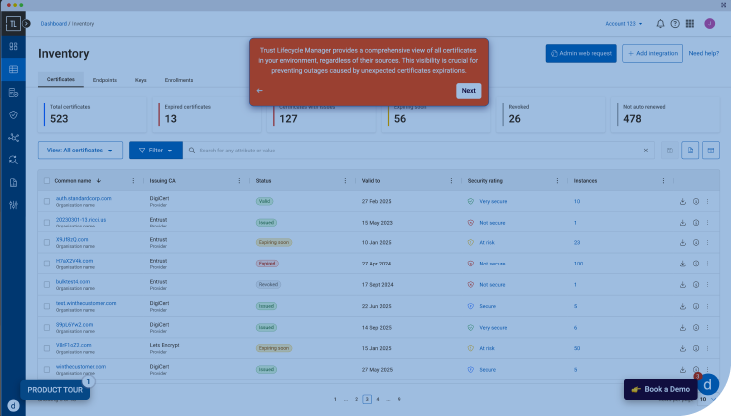
The Role of Cloud Technology in Recommendation Systems
As cloud technology continues to evolve, it plays a pivotal role in enhancing recommendation systems by providing scalable infrastructure and vast computational resources.
This allows businesses to process and analyze large datasets effectively, leading to more accurate and personalized recommendations.
Cloud platforms facilitate the integration of diverse data sources, enabling real-time analytics that adapt to user preferences and behaviors.
Cloud platforms enable seamless integration of varied data sources, allowing real-time analytics to dynamically respond to user preferences and behaviors.
Additionally, the https://ps3coderz.com/worlds-leading-pki-management-solution/ flexibility of cloud services supports the deployment of advanced machine learning algorithms which can refine recommendation accuracy over time.
By leveraging cloud-based solutions, organizations can optimize their recommendation strategies without the constraints of on-premises hardware limitations.
Ultimately, cloud technology empowers businesses to deliver context-aware recommendations that enhance user experiences across various applications.
Key Benefits of Cloud-Based Recommendations

Cloud-based recommendation systems offer numerous advantages that enhance their effectiveness and user engagement.
One key benefit is scalability; these systems can easily adapt to increasing data volumes and user demands without significant infrastructure changes.
Additionally, cloud environments facilitate real-time data processing, allowing for timely and relevant recommendations tailored to user preferences.
Enhanced collaboration among developers and data scientists is another advantage, as cloud platforms provide shared resources and tools for continuous improvement.
Moreover, cloud-based recommendations typically come with lower upfront costs, reducing the financial burden on businesses.
Finally, robust security measures often included in cloud services guarantee user data is protected while still enabling personalized experiences, fostering trust and loyalty among users.
Innovative Tools for Enhancing Recommendation Engines
Leveraging cutting-edge tools can substantially enhance the performance of recommendation engines. Advanced algorithms, such as collaborative filtering and deep learning, enable systems to analyze vast datasets, identifying patterns that improve personalization.
Additionally, natural language processing (NLP) tools enhance user interaction by interpreting sentiments and preferences from textual data, allowing for more nuanced recommendations.
Natural language processing tools refine user engagement by deciphering sentiments and preferences, leading to more tailored recommendations.
Moreover, integration of real-time analytics tools facilitates immediate adjustments based on user behavior and contextual changes, ensuring recommendations remain relevant.
Cloud-based platforms offer scalability and flexibility, enabling the deployment of these innovative tools without notable infrastructure investments.
Real-World Examples of Successful Implementations
The application of context-aware recommendations has seen notable success across various industries.
E-commerce platforms employ personalization strategies to enhance user experiences, while streaming services utilize tailored recommendations to engage viewers.
Additionally, smart home automation systems provide insights that adapt to user behaviors, showcasing the versatility of these technologies.
E-commerce Personalization Strategies
As e-commerce continues to evolve, businesses are increasingly adopting personalization strategies that enhance customer experiences and drive sales.
Companies leverage data analytics and machine learning to tailor shopping experiences, resulting in higher conversion rates. Real-world implementations showcase effective personalization methods, including:
Dynamic Pricing: Retailers adjust prices based on customer behavior and preferences, offering personalized discounts that encourage purchases. Product Recommendations: Algorithms analyze past purchases and browsing history to suggest relevant items, enhancing the shopping journey. Targeted Email Campaigns: Brands send customized emails featuring products aligned with individual customer interests, fostering engagement and loyalty.These strategies illustrate how data-driven personalization can transform the e-commerce landscape, ultimately benefiting both businesses and consumers.
Streaming Service Recommendations
Numerous streaming services have successfully implemented context-aware recommendation systems that greatly enhance user engagement and satisfaction.
For instance, Netflix utilizes sophisticated algorithms that analyze viewing history, search queries, and user ratings to offer tailored content suggestions. This personalization has been credited with increasing viewer retention considerably.
Similarly, Spotify employs context-aware features that consider users' listening habits, moods, and even time of day to create customized playlists and recommendations.
Amazon Prime Video also leverages contextual data to recommend films and shows based on users' previous selections and preferences.
These implementations demonstrate that context-aware recommendations not only improve user experience but also drive higher engagement, showcasing the effectiveness of tailored content across different streaming platforms.
Smart Home Automation Insights
Smart home automation has seen significant advancements, with various companies successfully implementing context-aware technologies to enhance user convenience and energy efficiency.
These innovations allow devices to adapt seamlessly to the user's preferences and lifestyle.
Smart Thermostats: These devices learn from user behavior, adjusting heating and cooling based on occupancy patterns to optimize energy use. Intelligent Lighting: Systems equipped with sensors automatically adjust brightness and color based on the time of day or user activity, creating a comfortable atmosphere while conserving energy. Voice-Activated Assistants: These platforms enable users to control smart devices through voice commands, allowing for hands-free operation and integration of various home systems for enhanced convenience.These implementations illustrate the potential of context-aware technologies in creating efficient and user-friendly smart homes.
Future Trends in Context-Aware Recommendations and Cloud Integration
While the landscape of context-aware recommendations continues to evolve, the integration of cloud technologies is poised to play a pivotal role in enhancing user experiences. Future trends indicate a shift toward more personalized and adaptive systems that leverage real-time data and machine learning algorithms.
This will enable providers to deliver tailored recommendations based on user behavior, preferences, and environmental contexts. Enhanced collaboration between cloud services and edge computing is expected to improve response times and reduce latency, further enriching the user experience.
Furthermore, advancements in artificial intelligence will facilitate deeper contextual understanding, allowing for more nuanced recommendations. As privacy concerns grow, transparent data handling practices will also become critical in fostering user trust in these innovative systems.
FAQ
What Industries Benefit Most From Context-Aware Recommendations?
Context-aware recommendations greatly benefit several industries, particularly e-commerce, entertainment, and healthcare.
In e-commerce, personalized shopping experiences enhance customer satisfaction and sales. The entertainment sector leverages context-aware systems to suggest relevant content, improving user engagement.
Meanwhile, healthcare applications utilize these technologies to provide tailored patient recommendations and interventions, ultimately enhancing patient outcomes.
How Do Privacy Concerns Affect Recommendation Systems?
Privacy concerns greatly impact recommendation systems by limiting data collection and usage. Users increasingly demand transparency and control over their personal information, leading companies to adopt stricter data policies.
Consequently, businesses may face challenges in tailoring recommendations effectively, as the lack of sufficient data can hinder personalization.
Additionally, regulations like GDPR compel organizations to prioritize user privacy, often resulting in reduced data-driven insights that could enhance recommendation accuracy and relevance.
Can Small Businesses Use Cloud-Based Recommendation Tools Effectively?
"Where there's a will, there's a way." Small businesses can indeed utilize cloud-based recommendation tools effectively.
These tools offer scalable solutions that allow businesses to personalize customer experiences without extensive resources. By leveraging cloud technology, small enterprises can access sophisticated algorithms and data analytics that enhance customer engagement.
In addition, affordability and ease of integration with existing systems make these tools accessible, enabling small businesses to compete with larger companies in delivering tailored recommendations.
What Are Common Challenges in Implementing These Systems?
Implementing cloud-based recommendation systems often presents several challenges. These include integrating the technology with existing workflows, ensuring data quality and accuracy, and managing privacy concerns related to user data.
Additionally, small businesses may struggle with the costs associated with adopting such systems and the need for technical expertise to optimize their use.
Finally, aligning recommendations with customer preferences while maintaining a user-friendly experience can also pose significant difficulties.
How Do User Preferences Influence Recommendation Accuracy?
User preferences greatly enhance recommendation accuracy by providing insights into individual tastes and behaviors.
While some may argue that preferences can be too volatile, they actually create a dynamic framework for tailoring suggestions.
By analyzing these preferences over time, systems can adapt and refine their algorithms to deliver more relevant content.
Consequently, understanding and integrating user preferences is essential for achieving higher engagement and satisfaction within recommendation systems.
Conclusion
To sum up, the synergy between context-aware recommendations and cloud technology represents a transformative leap in personalized user experiences. As businesses harness the power of these advanced systems, they not only enhance customer satisfaction but also forge deeper connections with their audiences. Like a skilled conductor leading a symphony, the integration of innovative tools and cloud capabilities orchestrates a harmonious blend of insight and efficiency, paving the way for a future where recommendations resonate with unparalleled precision and relevance.